February 23, 2026
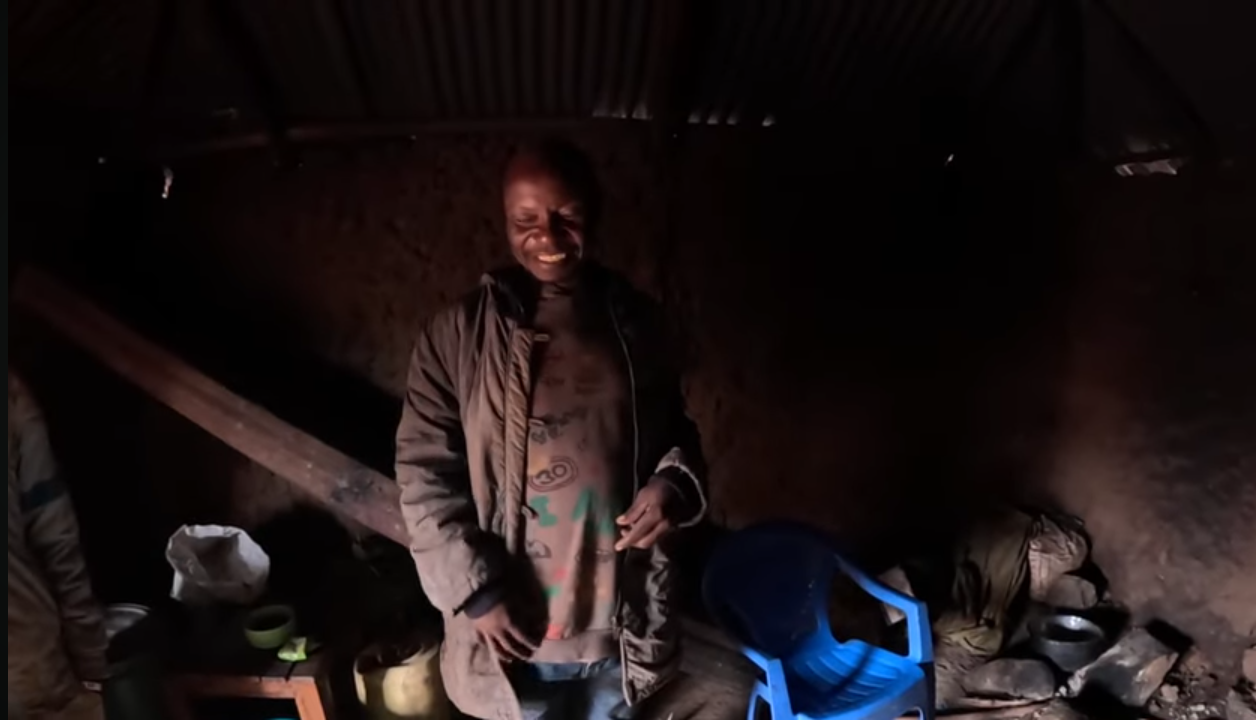
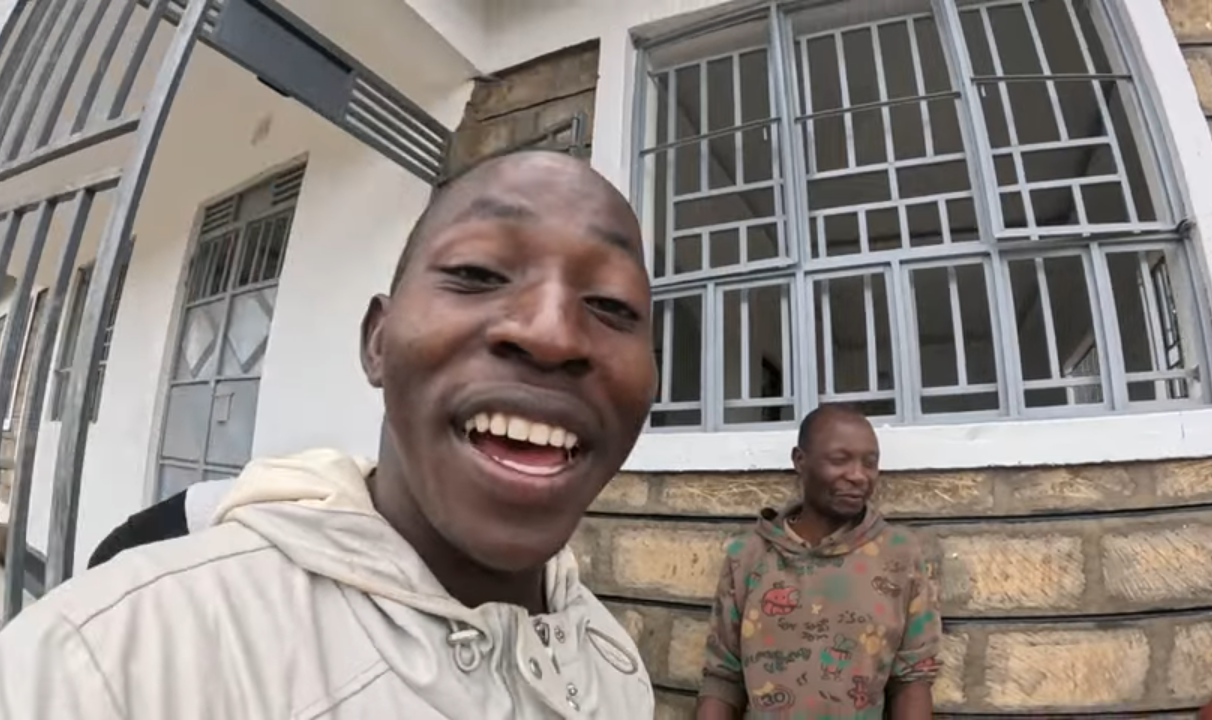
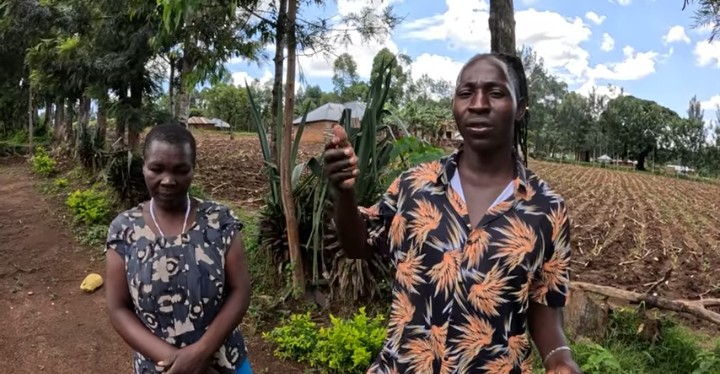
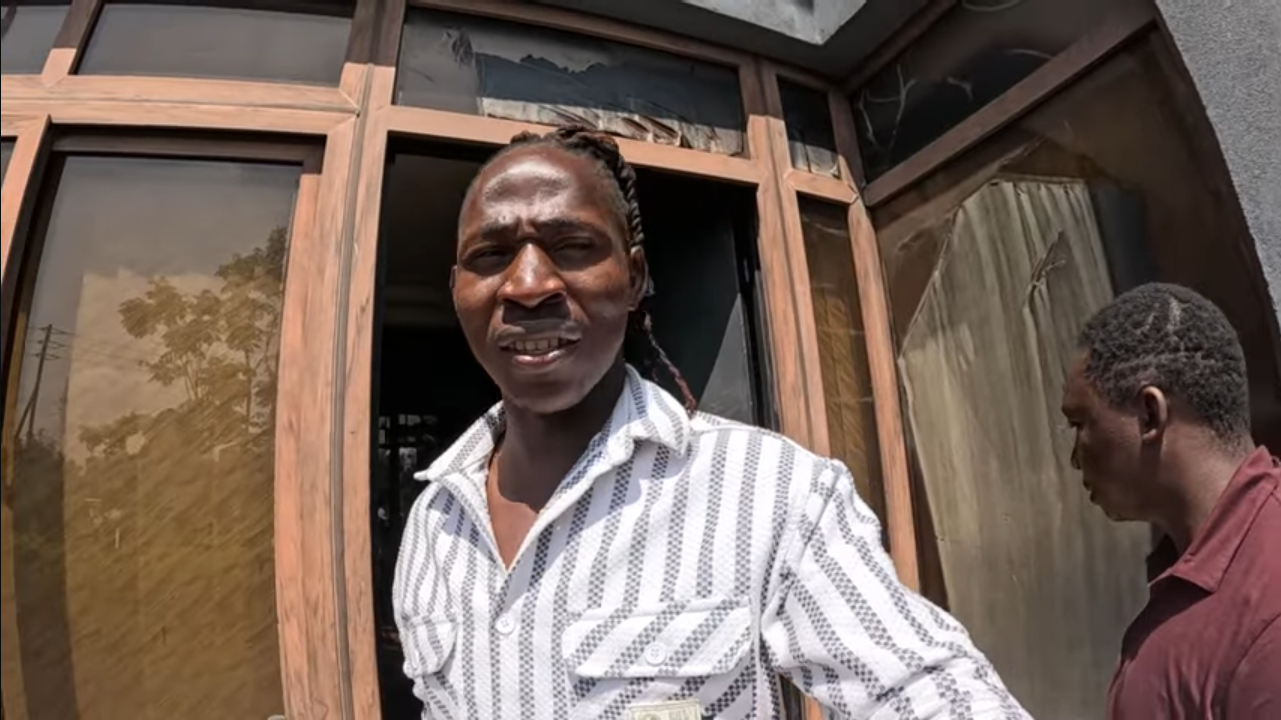
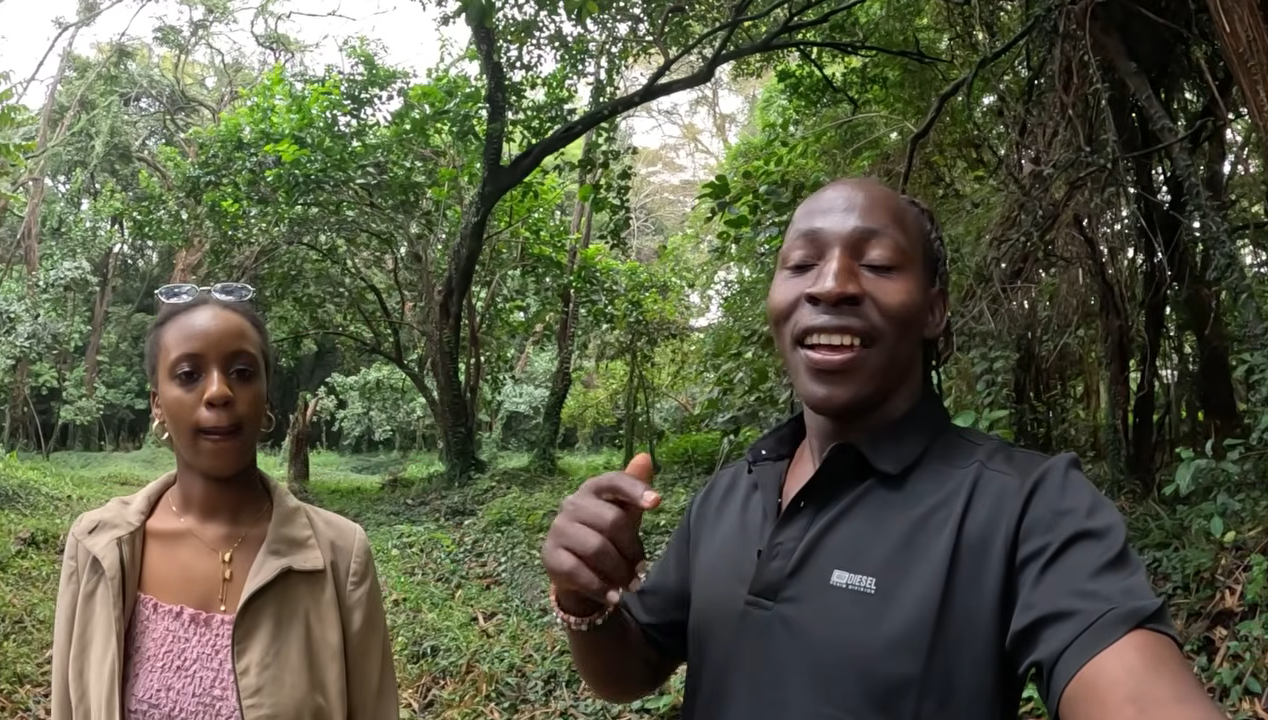
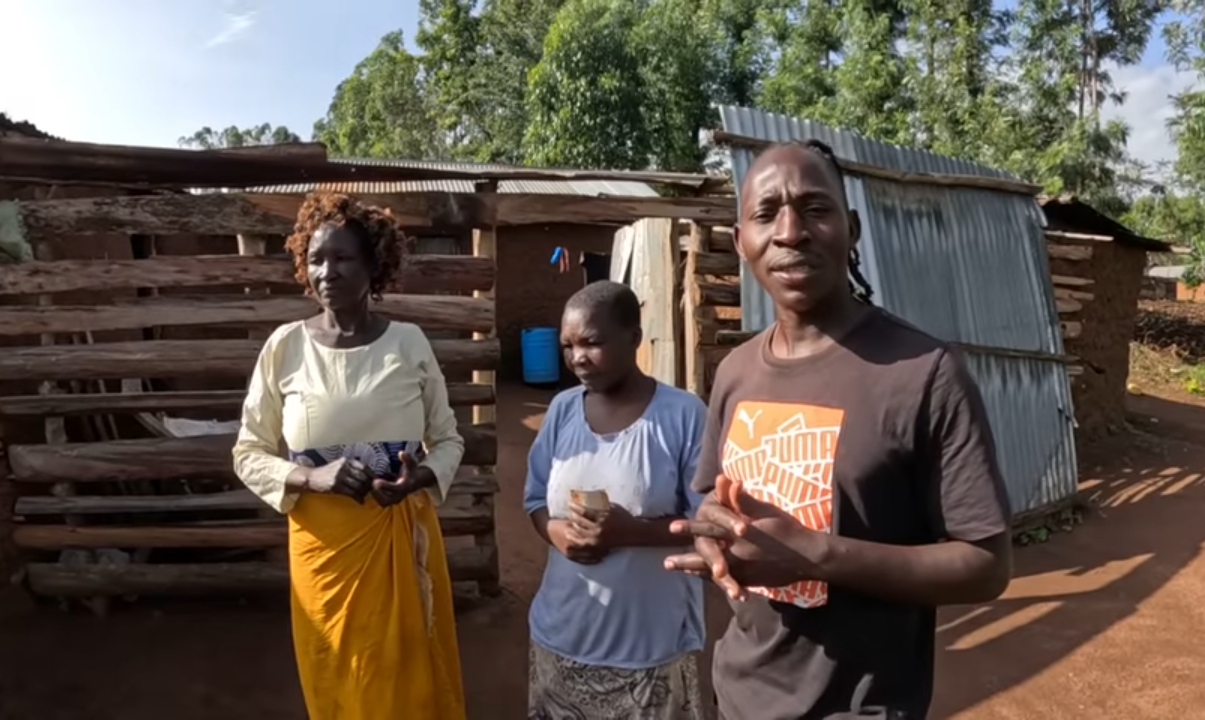
The Controversy Around YouTuber Davy JNR and the Ethics of Poverty-Based Content In recent years, YouTube has given rise to creators from every corner of the world, including rural communities in Kenya. One such creator, Davy JNR , has gained attention for content filmed in his local village. While some viewers praise the raw, unfiltered portrayal of village life, others have raised serious ethical concerns about the way poverty is depicted for entertainment . This debate highlights a much larger question: Where is the line between storytelling and exploitation? Why Davy JNR’s Content Has Sparked Criticism A growing number of viewers have criticized Davy JNR’s videos, arguing that they: Portray villagers—often poor or vulnerable—in ways that feel demeaning or humiliating Use shock, embarrassment, or social power imbalance as entertainment Generate views and revenue from situations where participants may not fully understand the global audience or consequences Critics argue that when poverty becomes a punchline or spectacle, it shifts from representation to exploitation . It’s important to note that not all viewers see the content the same way . Some supporters claim the videos are humorous, authentic, or consensual. However, the criticism persists because of the unequal power dynamic between a content creator with monetization access and individuals living in extreme economic hardship. The Ethical Problem With “Poverty Content” The core issue isn’t just one creator — it’s a wider trend on social media. Poverty-based content becomes ethically questionable when: People are filmed in moments of vulnerability Humor is derived from lack of education, resources, or social power The creator profits while subjects receive little long-term benefit Consent is unclear, pressured, or uninformed In communities where daily survival is the priority, agreeing to be filmed may not be a free choice , but a necessity. Public Reaction and Online Backlash Across social media platforms, critics have called for: Greater accountability from creators Clearer consent and compensation for participants YouTube to enforce stronger ethical standards Some viewers have gone as far as accusing creators in this niche of “poverty tourism for clicks” — a form of digital exploitation that turns real suffering into viral content. Others argue that this type of content reinforces harmful stereotypes about African villages, presenting them as objects of ridicule rather than communities with dignity and complexity. The Responsibility of Content Creators With large audiences comes responsibility. Creators filming in impoverished communities must ask: Who benefits from this content? Are participants portrayed with dignity? Would this video still feel acceptable if the roles were reversed? Am I amplifying voices—or using them? Ethical storytelling should uplift, not degrade. A Bigger Conversation Than One YouTuber The discussion surrounding Davy JNR reflects a broader problem in digital media : platforms reward engagement, not ethics. When humiliation drives views, creators are incentivized to push boundaries — often at the expense of the most vulnerable. This is not just a Kenyan issue. It’s a global one. Final Thoughts Whether one views Davy JNR’s content as comedy, realism, or exploitation, the criticism raises an important question for all creators and viewers alike: Should poverty ever be entertainment? As audiences become more aware, the demand for ethical content is growing. Creators who ignore that shift risk losing not just viewers — but credibility.